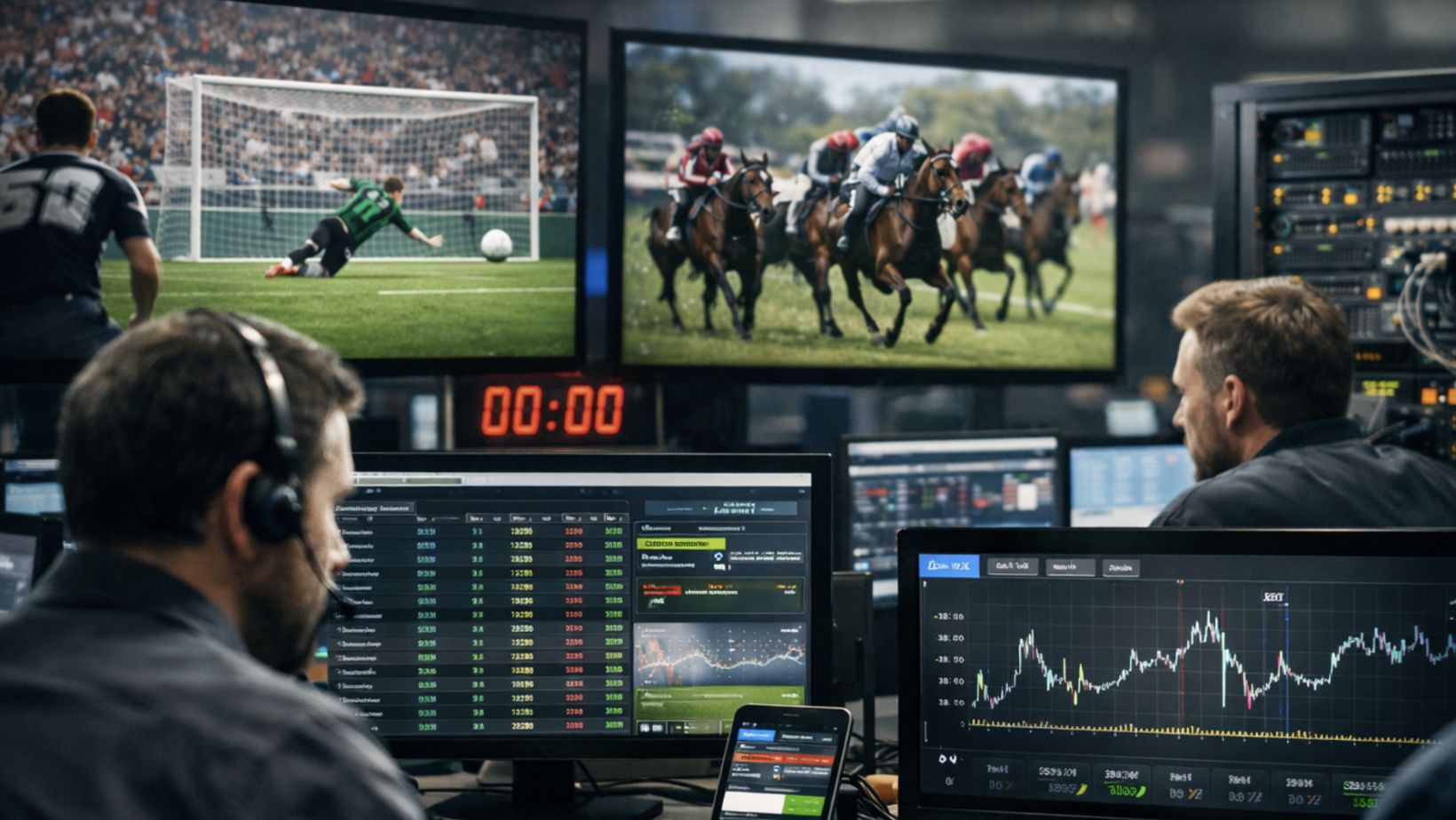
Live betting looks simple. You open a casino app, check the odds, and pick a bet that you find interesting. It feels fast and smooth. But behind the screen, the system is working all the time.
Real Time Means There Is Very Little Room For Delay
In many digital products, a small delay is annoying but not serious. In live betting, delay changes the whole meaning of the product. Odds move because the event is moving. If the system is even a little behind, the player may be seeing a market that no longer matches the game.
That is why speed matters so much here. A real-time betting system has to react almost immediately. It cannot afford to behave like a normal website where a slow refresh is just a minor problem. In live betting, a few extra seconds can turn a valid price into an outdated one.
Data Feeds Have To Arrive Fast And Clean
Live betting starts with data. The platform needs a constant flow of reliable event information. That can include score changes, cards, corners, time updates, player events, and many other details, depending on the sport. If that incoming data is late or messy, the betting system has a problem before pricing even begins.
This is one of the biggest challenges in the whole chain. The app can have a great design and a strong front end, but none of that helps if the feed coming in is weak. Real-time systems depend on good inputs. If the source wobbles, the player feels it on the screen.
Odds Have To Move Without Feeling Chaotic
Once the data comes in, the pricing side has to react. That sounds simple until the event becomes fast and unpredictable. A dangerous attack, a penalty check, or a red card can change betting prices almost at once. The system, like the one at pre-match betting adjusts quickly.
This is where balance matters. Odds should update fast enough to stay relevant, but the movement should still feel controlled. If prices jump in a messy way, players may lose confidence. A strong platform makes the market feel alive without making it feel unstable.
Suspensions Need To Be Timed Well
Live betting systems often suspend markets for short periods. This happens when the platform needs to protect itself and the player during fast event changes. A goal chance, a penalty decision, or a sudden major event can make open prices too risky for a moment.
That sounds reasonable, but it is hard to get right. If the system suspends too often, players become frustrated. If it waits too long, players may place bets on outdated conditions. A well-run live betting product needs suspensions that feel fair, not random.
Front End And Back End Have To Stay In Sync
The player sees the front end, but the real work is shared between the visible app and the backend systems behind it. If those two sides drift apart, problems appear quickly. A player may see one price while the server holds another. A market may look open on screen, but already be closed in the backend.
That kind of mismatch can break trust fast. Live betting needs the player screen and the system to match. Keeping that stable is one of the most important parts of the product.
Cash-Out Adds Another Layer Of Complexity
Cash-out sounds like a simple feature, but in live betting, it adds a second moving market on top of the main one. The platform is no longer just pricing the current event. It is also pricing the value of the player’s existing position in real time.
That creates another technical challenge. Cash-out values must respond to the same event changes, feed updates, and latency risks as normal live betting markets. If the numbers feel slow, inconsistent, or hard to trust, the guest experience suffers. A feature meant to create comfort can become a source of tension if the system behind it is not strong enough.
Security And Fraud Checks Still Have To Happen
Even as the platform pursues speed, it cannot ignore security. Accounts still need protection. Payments still need monitoring. Suspicious behavior must still be flagged. This creates a difficult balance because every extra check can add friction, but too little control creates risk.

That is why live betting systems need smart design, not just fast design. The best platforms try to protect valued guests without making the product feel cold or blocked at every turn. Security has to work quietly in the background while the betting experience stays smooth.
Guest Experience Depends On Calm Technology
Players do not usually think about event pipelines, pricing engines, or server load. They think about whether the app feels solid. They want the market to open properly, update clearly, and confirm bets without drama. In other words, they want the technology to feel calm.
That calm feeling matters because live betting already has enough natural tension. The match is moving. The odds are moving. Emotions are already high. A good platform respects that by removing avoidable technical stress. It helps valued guests feel that the system is serious, stable, and ready for the pace of the moment.
About Author