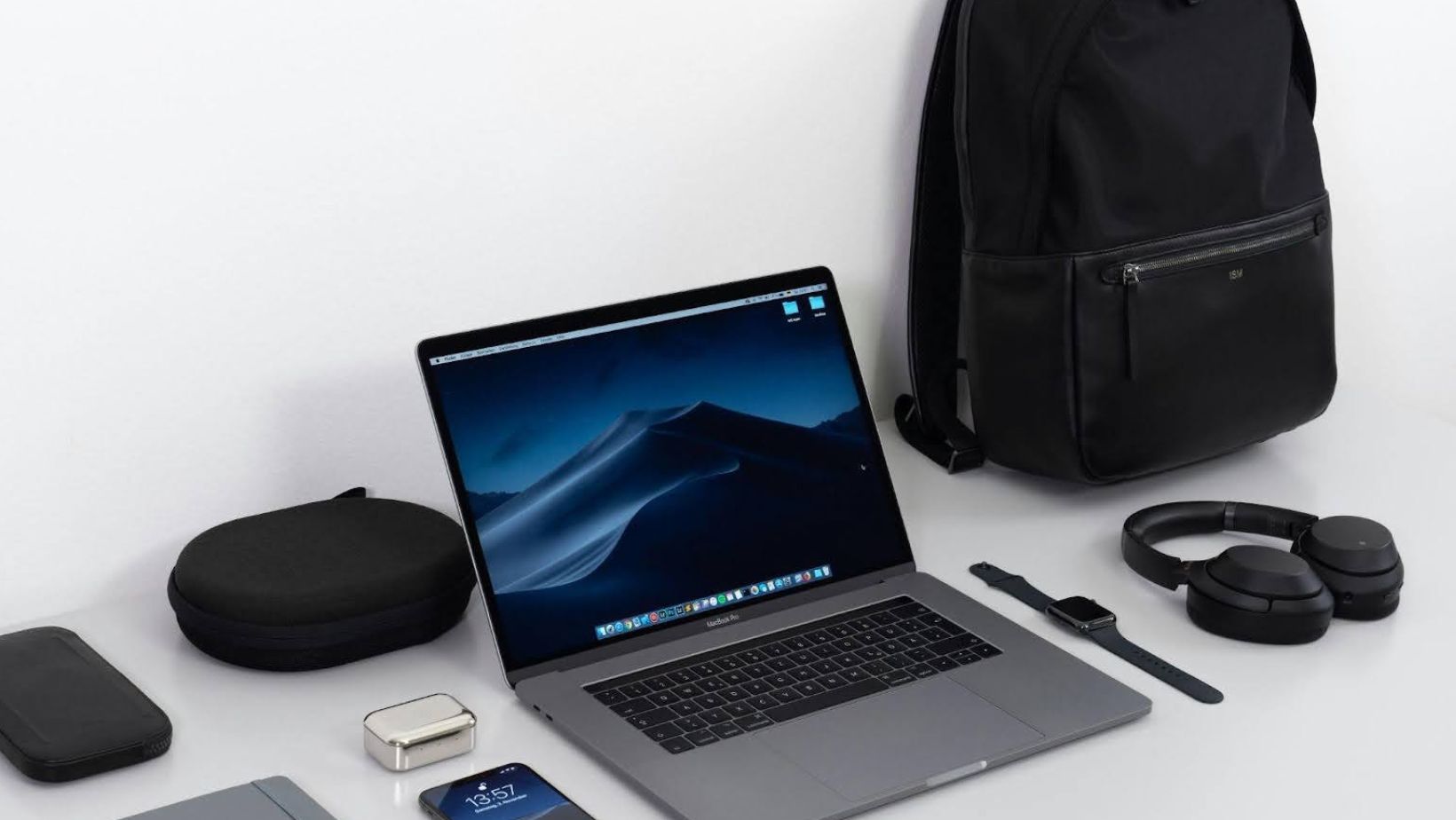
A single lost smartphone containing unencrypted corporate login credentials can result in a data breach costing a small business a lot of money. The shift toward flexible working has blurred the lines between personal and professional technology, creating a complex landscape of physical and digital risks.
Management teams must decide whether to provide hardware or allow employees to use their own devices for work tasks. This choice dictates the level of control a business has over its data and the type of insurance required to protect its assets. Many organisations invest in portable equipment insurance to mitigate the financial impact of theft, accidental damage, or loss outside the primary office.
Company-Owned Devices
Providing company-owned hardware ensures that every employee uses standardized tools with pre-installed security software. This approach allows the IT department to manage updates, monitor usage, and remotely wipe data if a device is stolen. Centralised ownership simplifies the insurance process because a single policy can cover the entire fleet of hardware.
Insurers generally offer more competitive premiums for company-owned devices due to the predictable nature of the hardware. Assets are tracked via a central register, making the claims process straightforward when an incident occurs. The business maintains full control over the repair or replacement cycle, ensuring minimal downtime for the staff member.
Companies should implement the following administrative protocols for their hardware fleet:
- Maintain a detailed asset register including serial numbers and purchase dates.
- Install remote tracking and data deletion software on every mobile unit.
- Enforce the use of protective cases and screen guards for all portable items.
- Audit the physical condition of devices during annual performance reviews.
BYOD Risks
Bring Your Own Device (BYOD) policies reduce upfront capital expenditure by leveraging the technology employees already own. This model is popular with startups and businesses with a high volume of temporary or contract staff. However, insuring these items is difficult because the business does not own the underlying asset.
Personal insurance policies often exclude items used for professional purposes, leaving a gap in coverage. If a staff member spills coffee on their personal laptop during a work meeting, the business may be expected to pay for the repair. This ambiguity leads to disputes and potential financial losses for both the employer and the employee.
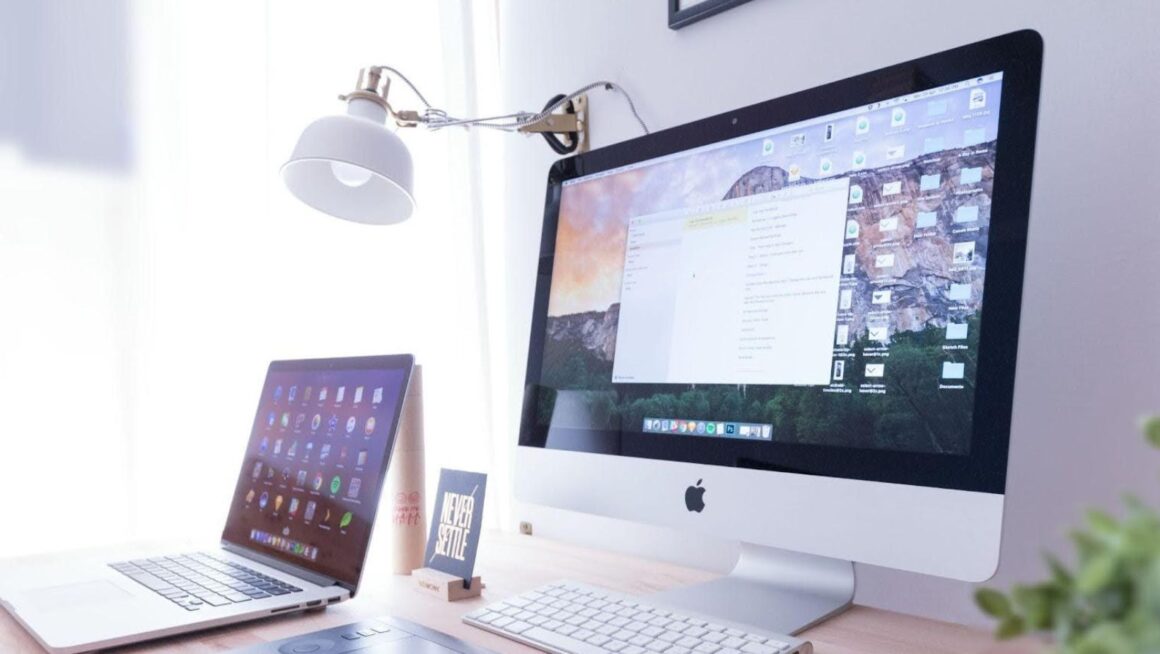
Businesses utilizing a BYOD model face several specific insurance and security challenges:
- Lack of clarity regarding who pays the deductible during an insurance claim.
- High risk of data leakage if personal and professional apps are not separated.
- Difficulty in verifying the value of a device for a fair insurance settlement.
Security Controls
Regardless of ownership, the data stored on portable devices remains the responsibility of the business. Cyber insurance often requires specific technical standards to be met before a policy is issued. These standards protect against the financial consequences of a data breach resulting from a lost or stolen device.
Encryption is a fundamental requirement for insuring any portable device that accesses the corporate network. If a laptop is stolen but the drive is fully encrypted, the risk of a reportable data breach is significantly reduced.
Technical teams should prioritize the following security configurations for all mobile hardware:
- Full-disk encryption for all laptops and tablets containing client data.
- Mandatory biometric or complex password authentication for mobile phones.
- Automatic timeout settings that lock the device after two minutes of inactivity.
- Separation of work and personal data through secure container applications.
Liability Concerns
The loss of a device often triggers third-party liability issues if client information is compromised. Public liability insurance might not cover the costs associated with notifying victims of a data breach. Specialist cyber policies are necessary to handle the legal and regulatory fallout of a hardware-related security failure.
Employers must also consider their liability if a work-mandated app damages an employee’s personal hardware. Clear terms of use should be signed by every staff member participating in a BYOD program. These documents define the limits of the responsibility of the business for the physical maintenance of personal items.
Financial Recovery
Waiting for an employee to save enough money to replace their own work tool is not a viable strategy for a professional organisation. Consistent hardware availability is a requirement for meeting client deadlines and maintaining service standards. Therefore, maintaining a dedicated insurance fund or a robust policy ensures that the business can react quickly to technology failures.
About Author