

New offshore casinos pop up so often now that it can feel unreal. You see a new name on a stream today, then another one tomorrow. Some look polished on day one. Some look rushed, but still take deposits fast.
The bigger point is that the market keeps producing fresh casino brands because the demand is there, and the tools to launch are easier than ever. But the part most players miss is what sits underneath those launches.
Most of these “new” casinos are not truly new businesses. They are often new skins on the same engines, running under the same offshore licences, with the same playbook.
Why “New” Offshore Casinos Keep Showing Up
When we talk about new casino launches, we are not talking about new buildings or new machines. We are talking about new websites that can be launched quickly, tested, and scaled. That speed is a feature, not an accident. Offshore operators can spin up a new brand using a ready-made platform, a game aggregator, and a payment setup that is already proven.
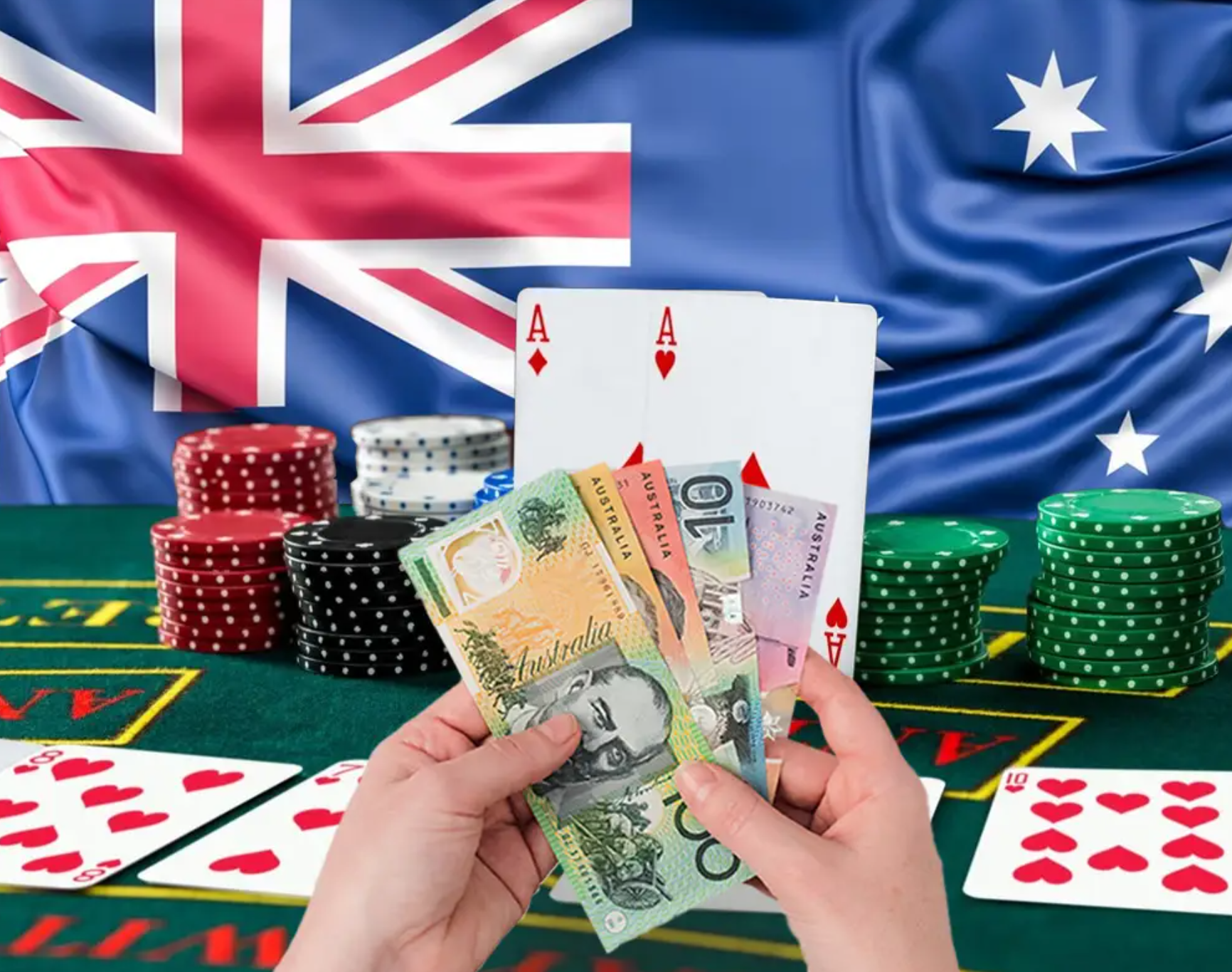
A lot of this is driven by regulation gaps. Some countries allow online gambling, some restrict parts of it, and some block most of it. Australia is a common example. Under the Interactive Gambling Act, it is illegal for providers to offer certain online gambling services, including online casino-style games, to people in Australia. That leaves many players in a place where offshore sites still get attention.
This is why we see constant churn. A brand can get a bad reputation, get blocked in a region, or just stop converting well. Instead of fixing that one brand, operators often launch a fresh one. Same back end, new front end, new bonus story, new influencer push.
If you want to track these launches without guessing, we found a useful roundup of new online casinos available for Australian users, which makes it easier to see what is actually new versus what is just rebranded.
The Licence Pattern: Why Curaçao And Anjouan Show Up So Often
If you scroll to the footer of enough new casinos, two names keep appearing. Curaçao and Anjouan. This is not a coincidence. These jurisdictions are popular because they are offshore-friendly, and they fit the “launch fast” mindset.
Curaçao has been a major offshore hub for years. For a long time, its system relied on master licence holders and sub-licences. That model is changing. The National Ordinance on Games of Chance, often called LOK, has been tied to a move toward more direct licensing and tighter compliance expectations. Even if you do not follow policy, you can feel the impact. Brands want a licence stamp that still looks familiar, while the rules are tightening.
Anjouan has grown fast in the last couple of years, especially for crypto-heavy casinos. It is marketed as faster and cheaper to obtain, with broad coverage for online gaming. That is the pitch operators like. Speed matters when your whole plan is to launch, test, and relaunch.
The Real “Factory Model” Behind New Casino Launches
A big reason new casinos appear daily is that building one is no longer “building” in the old sense. It is closer to launching a mobile game using a template. Many operators use white-label or turnkey setups, which means most of the infrastructure already exists.
Here is what that factory model often looks like in practice.
A ready-made casino platform with a back office for payments, bonuses, and KYC checks
A game aggregator plug-in that delivers thousands of slots instantly
A licence wrapper that covers the operator brand under an offshore jurisdiction
A payment stack built for speed, often with crypto, vouchers, or instant bank rails
A marketing kit, including streamer deals, affiliate pages, and bonus funnels
This is why “new” casinos often feel weirdly similar. You will see the same game lobby layout. You will see the same VIP tier names. You will even see the same bonus terms, just rewritten. The operator is not trying to invent something. They are trying to find a theme that converts.
And once one brand works, it gets copied. That is why the same operator groups can run multiple casinos at once. Different names, different promos, same engine.
Why Players Keep Falling For The “New Casino” Hook
We think the player side is simple. People love the idea of getting in early. It feels like early access in gaming. You want the fresh server, the new battle pass, and the launch rewards. Casinos know this, so they lean into it hard.
New brands usually push three hooks.
First, bigger welcome offers. A new casino needs deposits quickly, so it overpays on promos early. That does not make it “good,” but it explains the numbers.
Second, faster payouts. A new casino knows trust is fragile. Speed helps. Even when the casino itself is not faster, it will pick payment methods that feel instant.
Third, fewer restrictions at the start. Some brands are more relaxed early on because they want volume. Later, once the risk team tightens up, the vibe can change.
The Risks Most People Miss With New Offshore Casinos
We like new casinos when they are transparent and well-run. But we also see the same traps repeat. New does not mean better. Sometimes it means untested.
Here are the risks we watch for first.
Unclear ownership: If you cannot find the company name and licence details, that is a problem.
Terms that shift fast: New brands tweak bonus rules often. What was fair last week can change overnight.
Slow KYC surprises: A casino may feel smooth until you win, then ask for extra documents.
Withdrawal friction: Some brands process fast, but payment providers still take time. Some delay “for review.”
Support quality: New brands often run thin support teams. That shows during disputes.
We also look at how a casino behaves when you ask basic questions. A good sign is a clear answer about limits, fees, and verification time. A bad sign is a copy-paste reply that ignores what you asked.
Why This Trend Is Not Slowing Down
We do not see the “new casino every day” trend slowing anytime soon. If anything, it gets easier as the tooling improves. Payment rails are faster. Game content is abundant. Affiliate marketing is more automated. Even design work is cheaper now.
Curaçao’s reforms may push some operators to clean up, which is good. But it can also push weaker operators to hop jurisdictions. That is where Anjouan and other offshore hubs become attractive, at least in the short term.
The bigger story is that offshore casinos are now a global entertainment product. They are built to move across borders, across languages, and across payment habits. That is why you see the same casino brands chasing multiple regions at once, including players in Australia, the UK, Canada, and parts of Asia.
About Author


