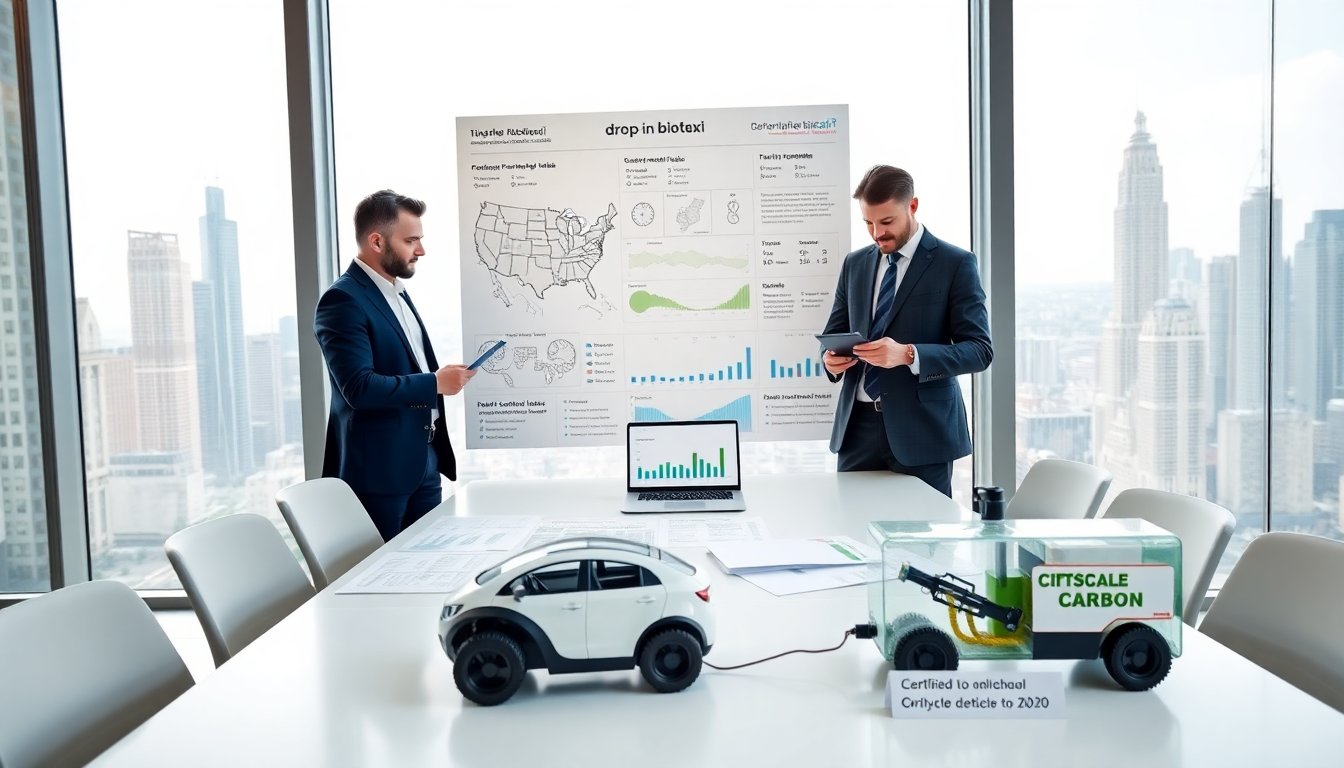
DefStartUppers biofuel robotaxi blueprint sets clear steps for a low-carbon fleet. The blueprint outlines vehicle design, fuel supply chains, and fleet control. It shows how teams can deploy biofuel robotaxis at scale. The plan links emissions targets to operational costs and regulatory paths. Readers learn concrete actions, timelines, and measurable milestones for 2030 deployment.
Key Takeaways
- The DefStartUppers biofuel robotaxi blueprint provides a detailed roadmap for deploying low-carbon biofuel robotaxi fleets by 2030 with clear emissions and operational targets.
- It emphasizes biofuel robotaxis as a rapid carbon reduction option, especially in areas where electric grid decarbonization is slow, linking fuel use to well-to-wheel emissions accounting.
- The blueprint defines technical vehicle standards including modular designs, biofuel-compatible powertrains, and robust fleet management software with real-time emissions monitoring.
- Supply chain integrity is ensured through certified sustainable feedstock sourcing, contamination limits, and mandatory third-party audits to prevent indirect environmental impacts.
- Refueling logistics prioritize regional biofuel hubs, rapid fill cycles, and integration with fleet operations to maintain service while optimizing fuel efficiency and emissions.
- Policy and safety frameworks support pilot programs with human oversight, incentives, regulated mixed-fuel operation, transparent safety reporting, and public education to foster acceptance.
What The Blueprint Covers And Why Biofuel Robotaxis Matter Today
The DefStartUppers biofuel robotaxi blueprint defines scope, goals, and metrics. It lists technical targets for fuel intensity, vehicle range, and carbon intensity. It sets fleet targets for miles per vehicle and utilization rates. It assigns timelines for prototype delivery, pilot operations, and city permits.
The blueprint ties biofuel adoption to near-term carbon reductions. It measures well-to-wheel carbon per passenger mile. It compares biofuel robotaxis to battery electric and hydrogen options. It shows that biofuel robotaxis can cut lifecycle carbon quickly where electric grid decarbonization lags.
The document addresses supply chains. It maps feedstock sources, processing facilities, and transport hubs. It sets quality standards for drop-in biofuels and limits for contaminants. It requires traceable certification for feedstock origin and sustainable land use. It mandates audits and third-party verification to prevent indirect land impacts.
The blueprint sets policy and business actions. It recommends incentives for early fleets, carbon credit pathways, and municipal pilot permits. It proposes minimum fleet buy-in periods and performance-based subsidies. It asks regulators to allow mixed-fuel autonomous operation under monitored conditions.
The plan emphasizes safety and public acceptance. It requires human oversight during pilots. It sets transparency rules for safety data, incident reporting, and third-party audits. It proposes public education campaigns to build trust. It links these activities to deployment timelines so cities can plan infrastructure and labor transitions.
Technical Architecture: Vehicle Design, Powertrain, And Fleet Software
The technical section of the DefStartUppers biofuel robotaxi blueprint breaks requirements by subsystem. It gives vehicle mass targets, aerodynamic goals, and modular layouts. It sets seating and access standards for urban rides. It lists material targets to balance durability and weight.
The blueprint specifies a powertrain that accepts drop-in biofuels. It details engine or hybrid configurations, fuel system materials, and emissions controls. It limits particulate and NOx at the tailpipe and requires aftertreatment that meets urban standards. It recommends modular power modules so technicians can swap units for maintenance or upgrades easily.
The document covers thermal and energy management. It sets coolant routing, battery cooling, and waste-heat recovery strategies. It requires systems that maintain fuel quality and prevent microbial growth in fuel lines. It calls for redundant sensors and fail-safe modes so the vehicle can pull to safe stops if fuel systems fail.
The blueprint defines fleet software roles. It assigns modules for routing, demand forecasting, remote supervision, and safety monitoring. It requires real-time emissions accounting per trip and per vehicle. It demands secure OTA (over-the-air) updates with cryptographic validation. It asks for open telemetry standards so cities and auditors can query fleet performance and emissions data.
The plan sets testing protocols. It requires lab certification, road tests, and controlled urban pilots. It defines data collection formats and minimum dataset fields, including fuel batch IDs, trip emissions, and maintenance logs. It sets thresholds for escalation and fleet withdrawal if safety or emissions targets fail to meet the standards.
Onboard Biofuel Integration, Refueling Logistics, And Emissions Accounting
The blueprint gives a clear path for onboard biofuel integration. It specifies fuel tanks, pumps, filters, and sensors that work with varied biofuel blends. It sets sealing and material standards to avoid corrosion. It requires fuel-quality sensors that report water, acidity, and contamination.
Refueling logistics get detailed maps and schedules. The plan recommends regional hubs that store certified biofuel batches. It defines tanker delivery, local dispensing, and fleet fueling lanes. It sets priorities for rapid fill cycles and for mobile refueling units during peak demand. It requires chain-of-custody records for each fuel batch and digital tokens that link batch IDs to trip data.
The blueprint demands transparent emissions accounting. It requires well-to-wheel carbon calculations for every trip. It lists accepted lifecycle analysis methods and mandates methane and land-use change factors. It ties payments and incentives to verified carbon reductions. It calls for third-party audits of emissions claims and continuous public reporting of fleet averages.
The plan integrates refueling with fleet operations. It schedules refuel windows to avoid service disruptions. It balances fueling with vehicle charging or maintenance. It models fuel burn by route, load, and weather to reduce idle and detour emissions. It sets targets for fuel efficiency improvements over time and requires fleets to publish improvement plans.
The blueprint sets economic guards. It models fuel price volatility and recommends contractual hedges and local biorefinery investments. It calculates total cost of ownership including fuel credits, emissions penalties, and maintenance. It shows scenarios that let operators compare biofuel robotaxis to electric and other powertrains on cost and carbon through 2030.
About Author